
When the catalogue ends,
the engineering begins.
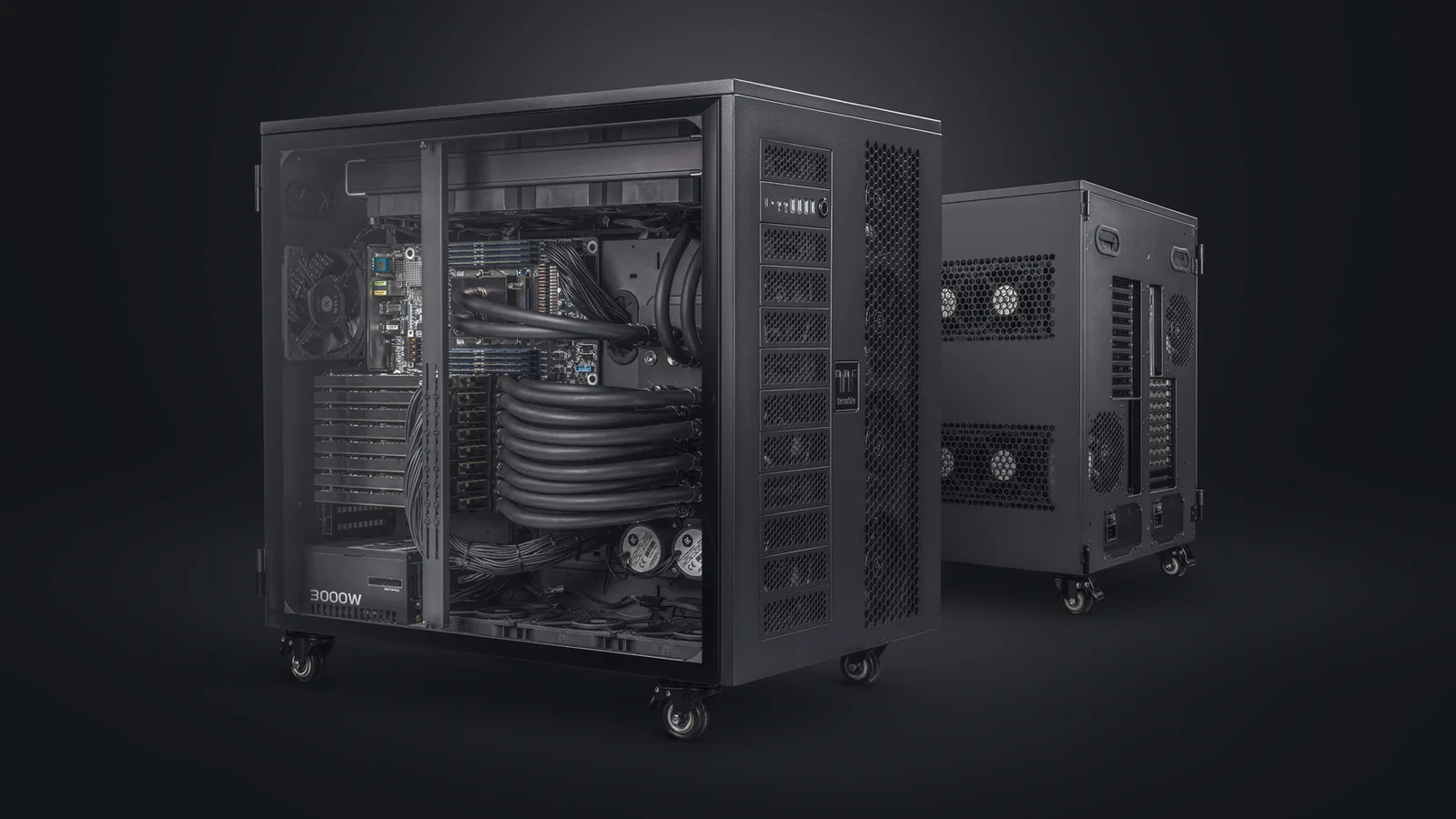
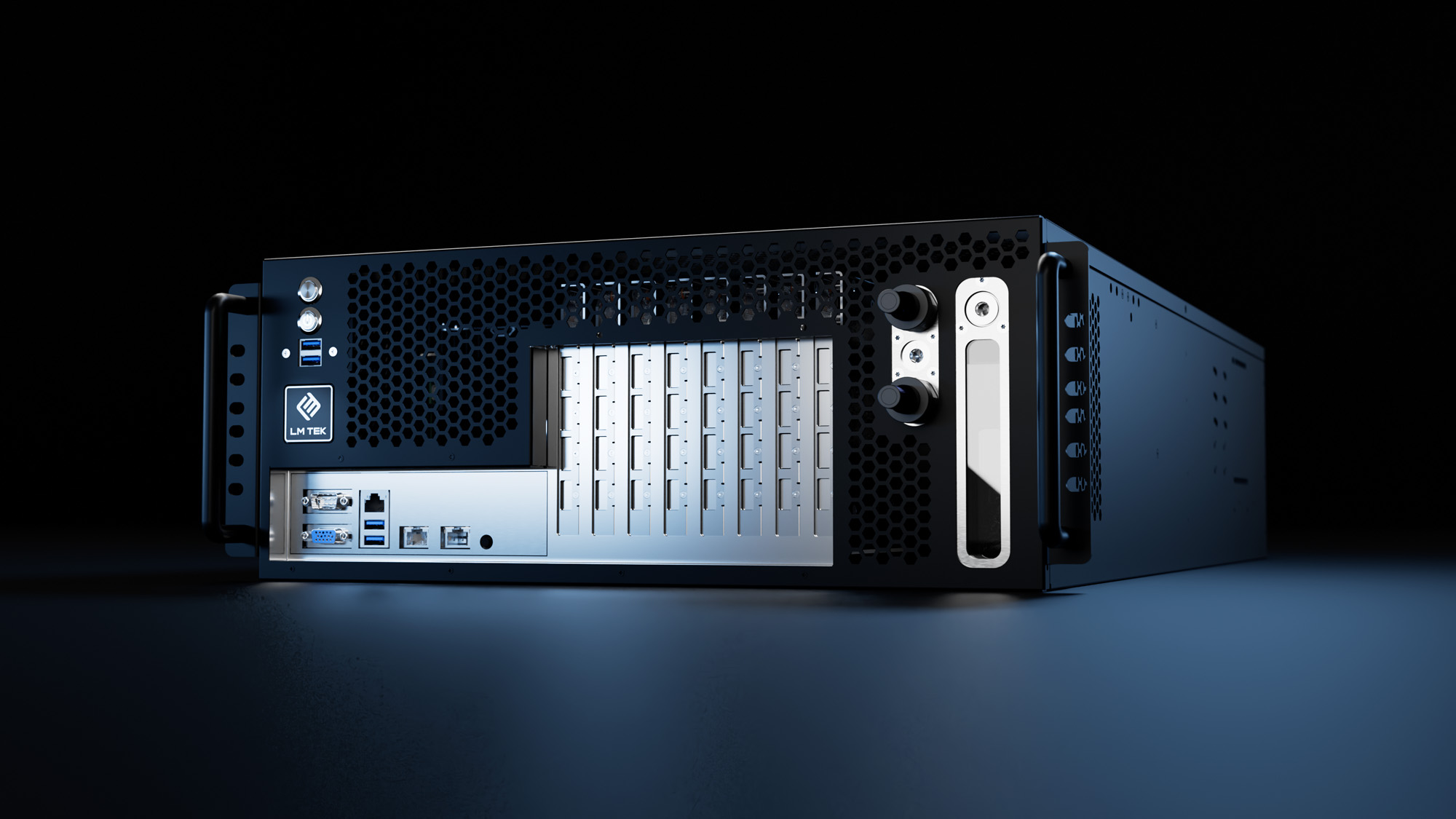
LM TEK Custom Engineering solves the thermal problems few companies can: compute in vehicles, harsh environments and industrial installations, where off-the-shelf cooling does not work. We are selective about fit and take on only the work we can engineer to our own standard. Talk to us about the problem.
AI workstation · office deployment
Client: NVIDIA
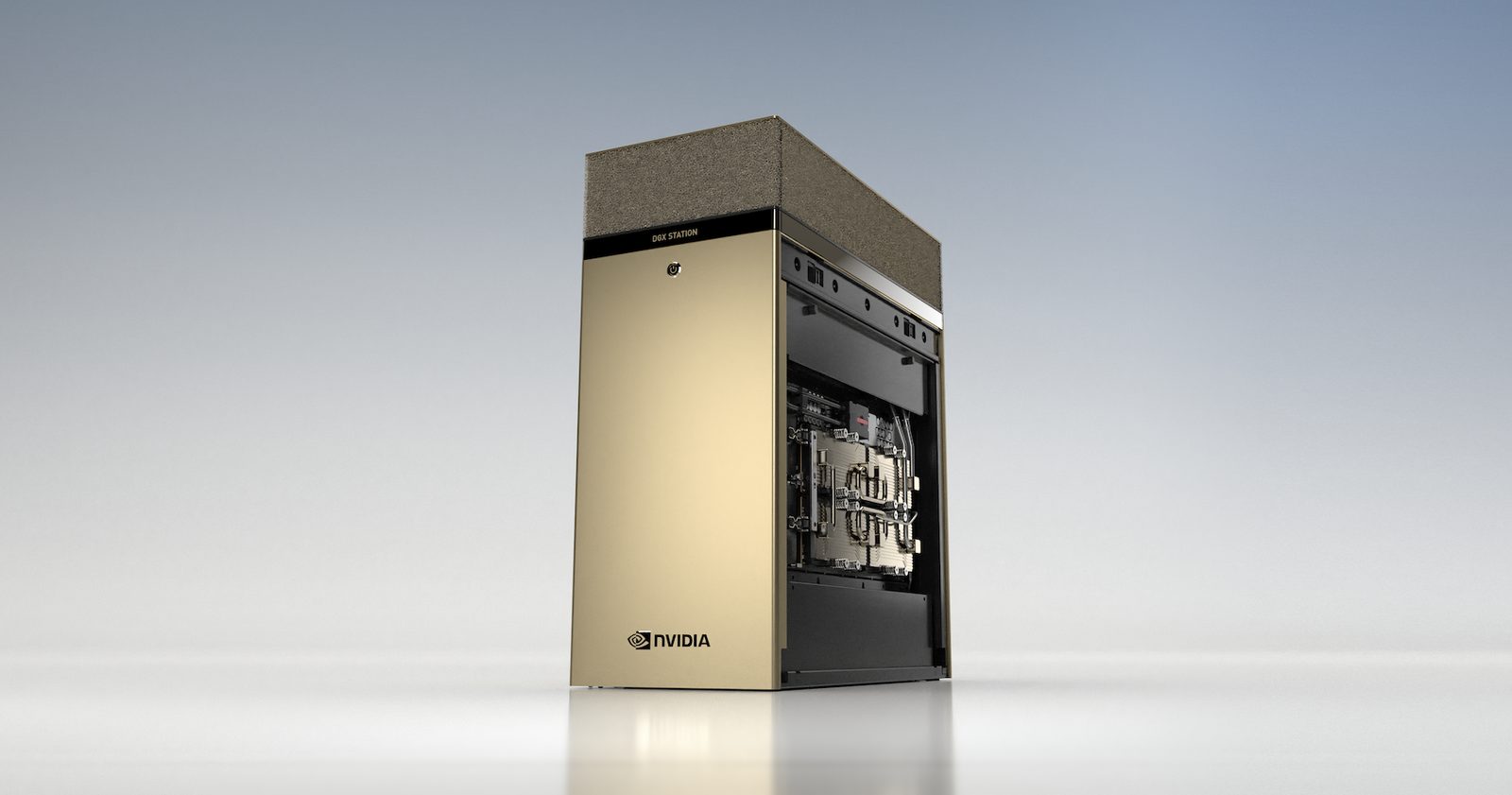
Datacentre AI performance, cooled for the office
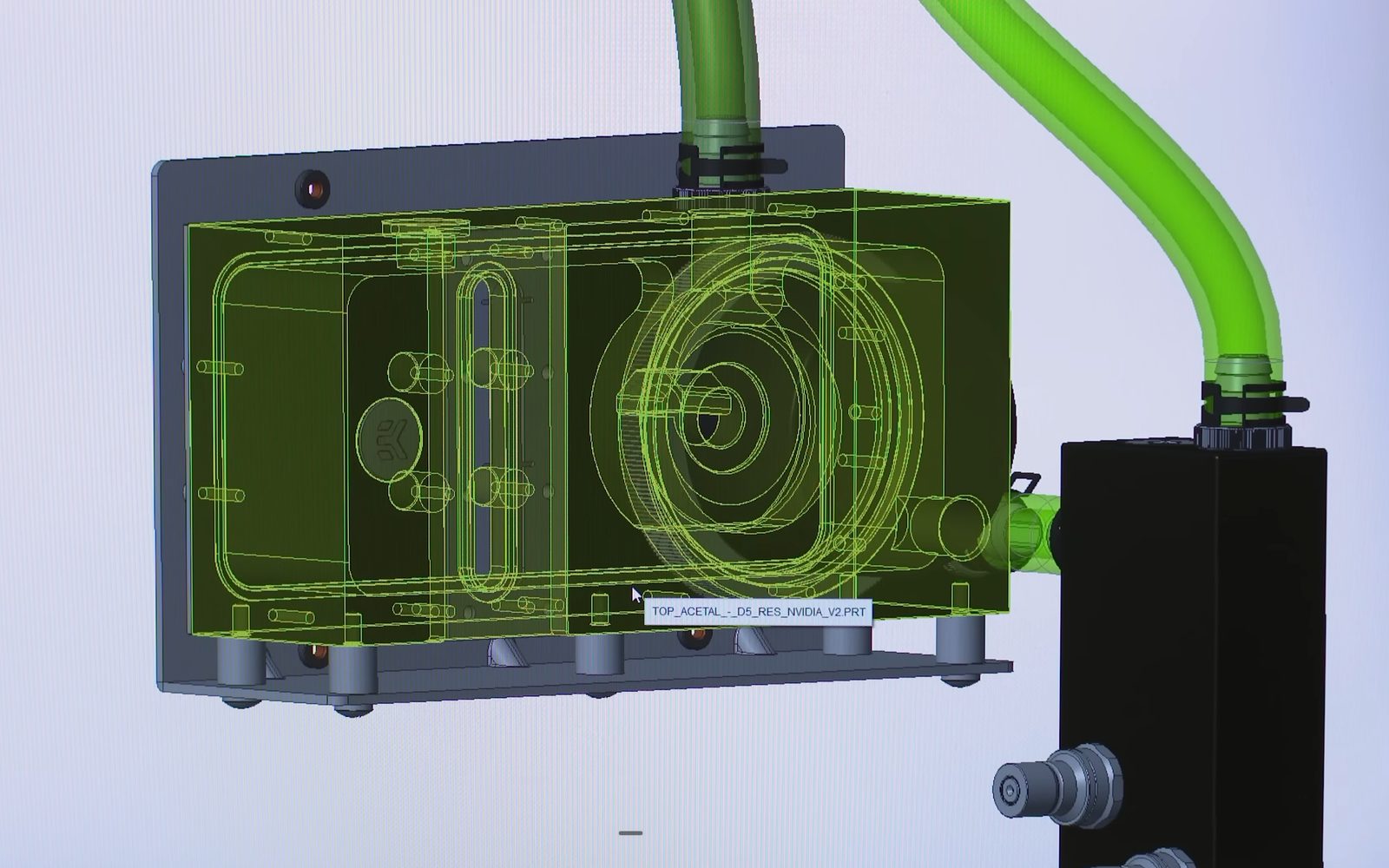
NVIDIA's DGX Station A100 put four A100 GPUs and a 64-core AMD EPYC processor into a single tower. It was built for researchers and data scientists working outside the datacentre long before high density compute was on everyone's mind. That brief made cooling the defining engineering problem: removing datacentre-class heat from inside a workstation chassis, within the acoustic and power limits of an ordinary office.
- Every element of the DGX Station A100 cooling system was designed by EK engineers.
- Four A100 GPUs and a 64-core CPU, cooled inside a tower built for the office, not the datacentre.
Automotive · autonomous driving
Client: Zoox
Cooling the compute that drives itself
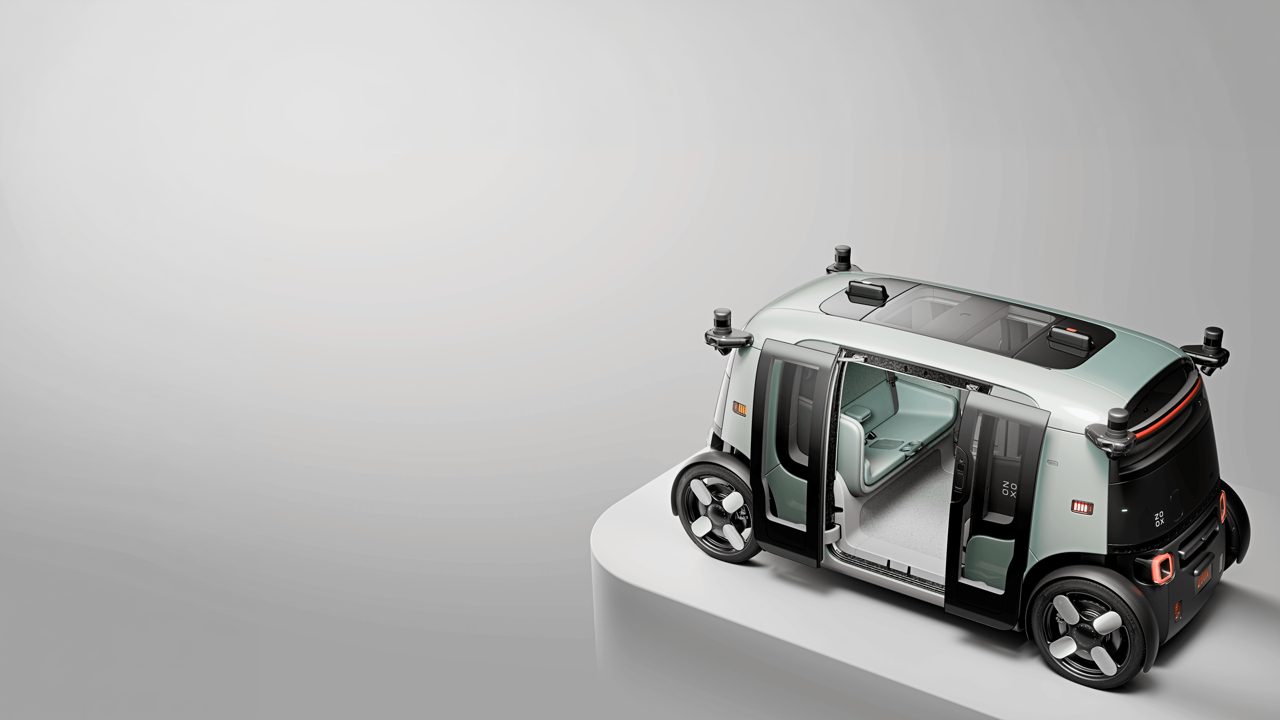
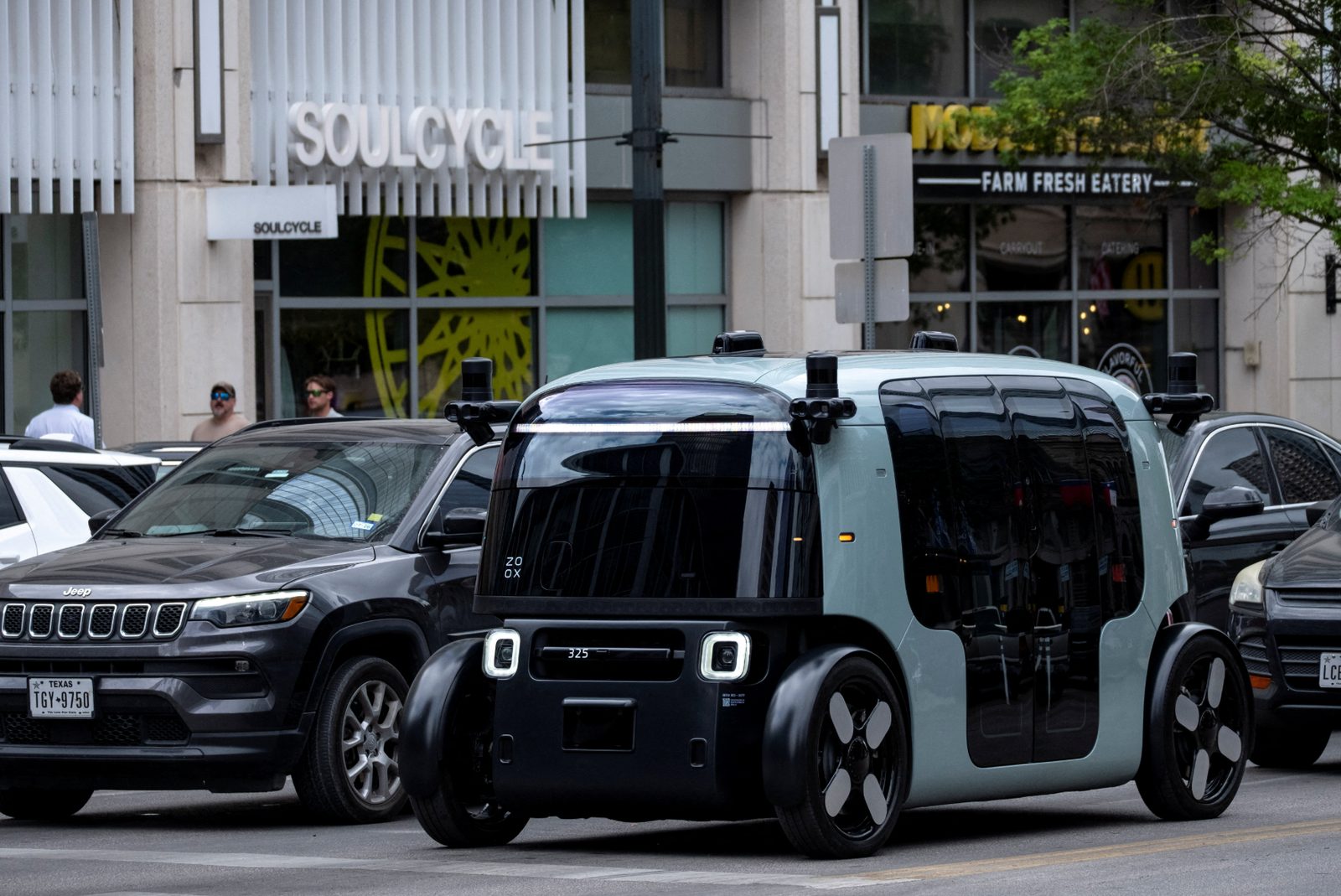
Zoox, the Amazon-owned robotaxi company, processes data from cameras, lidar, radar and more in real time on an onboard, GPU-based compute architecture. A vehicle is a hostile place for that compute: tight packaging, vibration and shock, wide temperature swings, and a safety-critical duty cycle. LM TEK designs and delivers the custom GPU cold plates that cool it, manufactured and inspected to automotive-industry quality control and quality assurance standards.
- Custom GPU cold plates for Zoox's self-driving compute, designed against the deployment, not the data sheet.
- Built to automotive-industry QC and QA standards, because passenger safety depends on the compute and the compute depends on its cooling.
What we design and make
Thermal engineering and manufacturing in Komenda, Slovenia, support work beyond standard platforms.
-
01
Double-sided GPU blocks
Sandwich-style water blocks that cool one GPU on each face of the same block, so a chassis carries more silicon per slot than air or single-sided liquid cooling could support.
Read the 2CRSi case → -
02
Peltier-assisted stages
Peltier-driven water blocks inside laboratory instruments, where temperature stability at the sample stage matters more than raw capacity.
Read the X-Zell case → -
03
Sealed loops for harsh ambients
One thermal solution covering a compute module and its carrier, sized for sealed, high-ambient enclosures outdoors rather than office-temperature labs.
Read the Connect Tech case → -
04
Vibration and tight packaging
Compact liquid cooling for onboard compute and telemetry in a carbon-fibre monocoque, designed against vibration, heat soak and tight clearances.
Read the Revolve NTNU case → -
05
Design to manufacture in Komenda
Design, prototyping and manufacturing in-house in Komenda, Slovenia: the engineering team behind the EK blocks and the platform loops takes a project from the first thermal concept to production units and their manufacturing documentation.
Engagements we can name.
A representative cross-section of customers and applications. There are many we cannot disclose, these are the ones we can show.
-
Server hardware · hyperscale density
Client: 2CRSi
Sandwich GPU cooling for ultra-dense servers
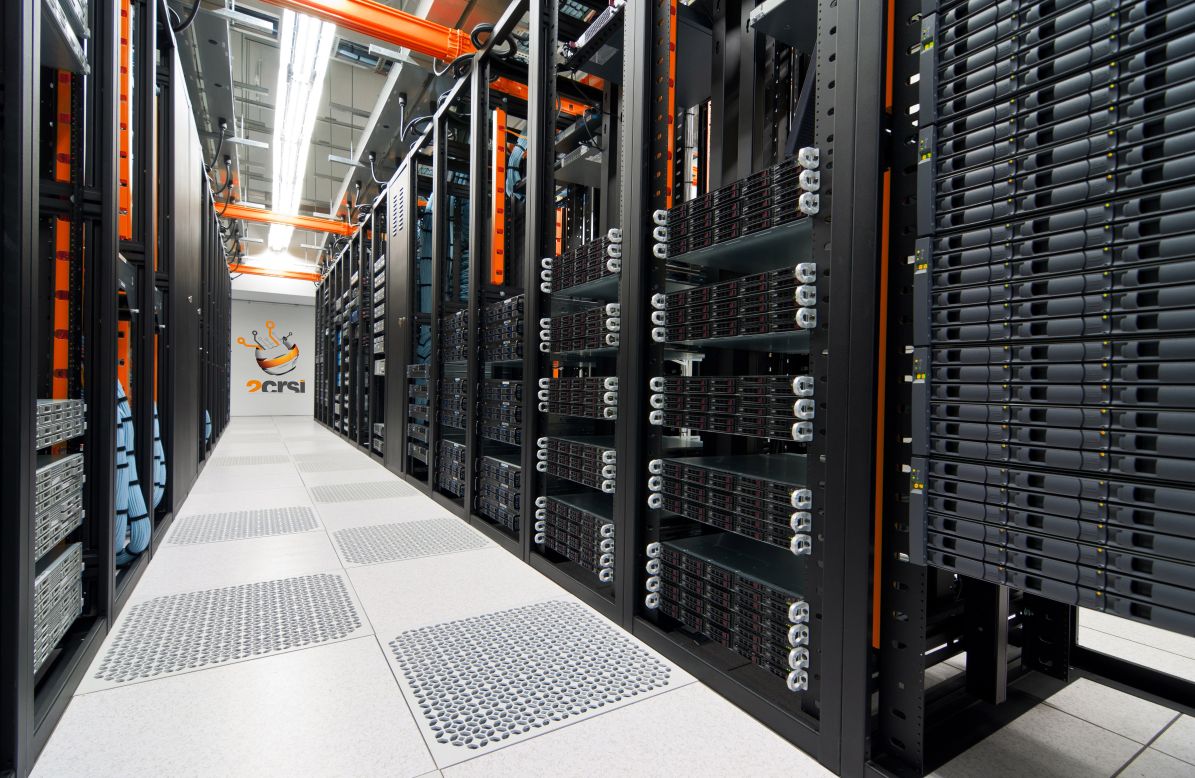
A French server manufacturer building toward the upper bound of GPU density per rack unit. We developed custom water blocks, including sandwich-style designs that cool one GPU on each face of the same block. This way, the chassis could carry more silicon per slot than air or single-sided liquid could support.
Read the 2CRSi case → -
Edge AI · integrated module
Client: Connect Tech
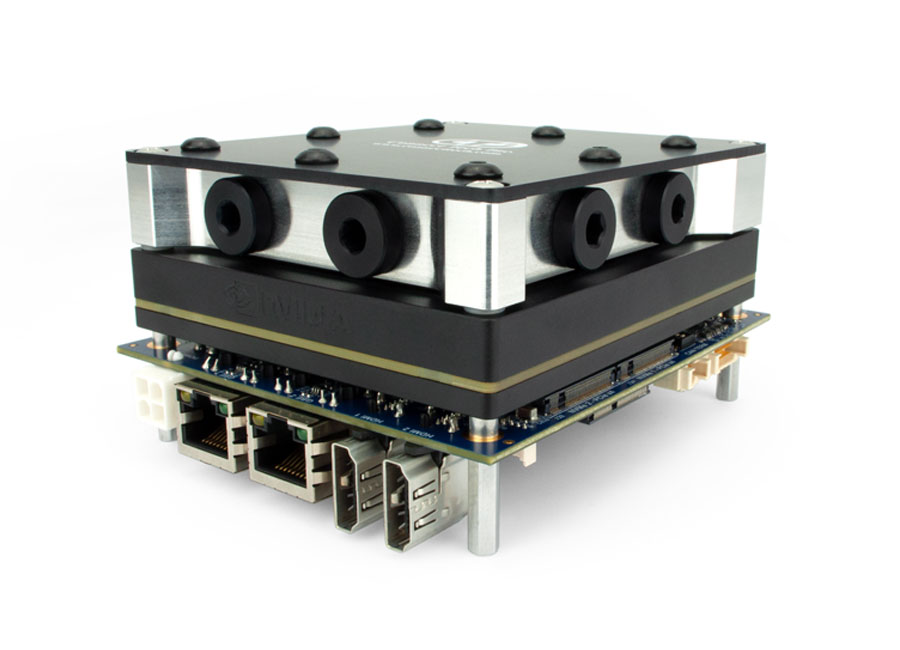
Integrated cooling for NVIDIA® Jetson AGX Xavier™ and AGX Orin™
Connect Tech designs carrier boards and integrated modules around the NVIDIA Jetson AGX platform – devices deployed into smart traffic systems, vision cameras, and outdoor lighting controllers where the enclosure is sealed and the ambient is whatever the weather decides.
Read the Connect Tech case → -
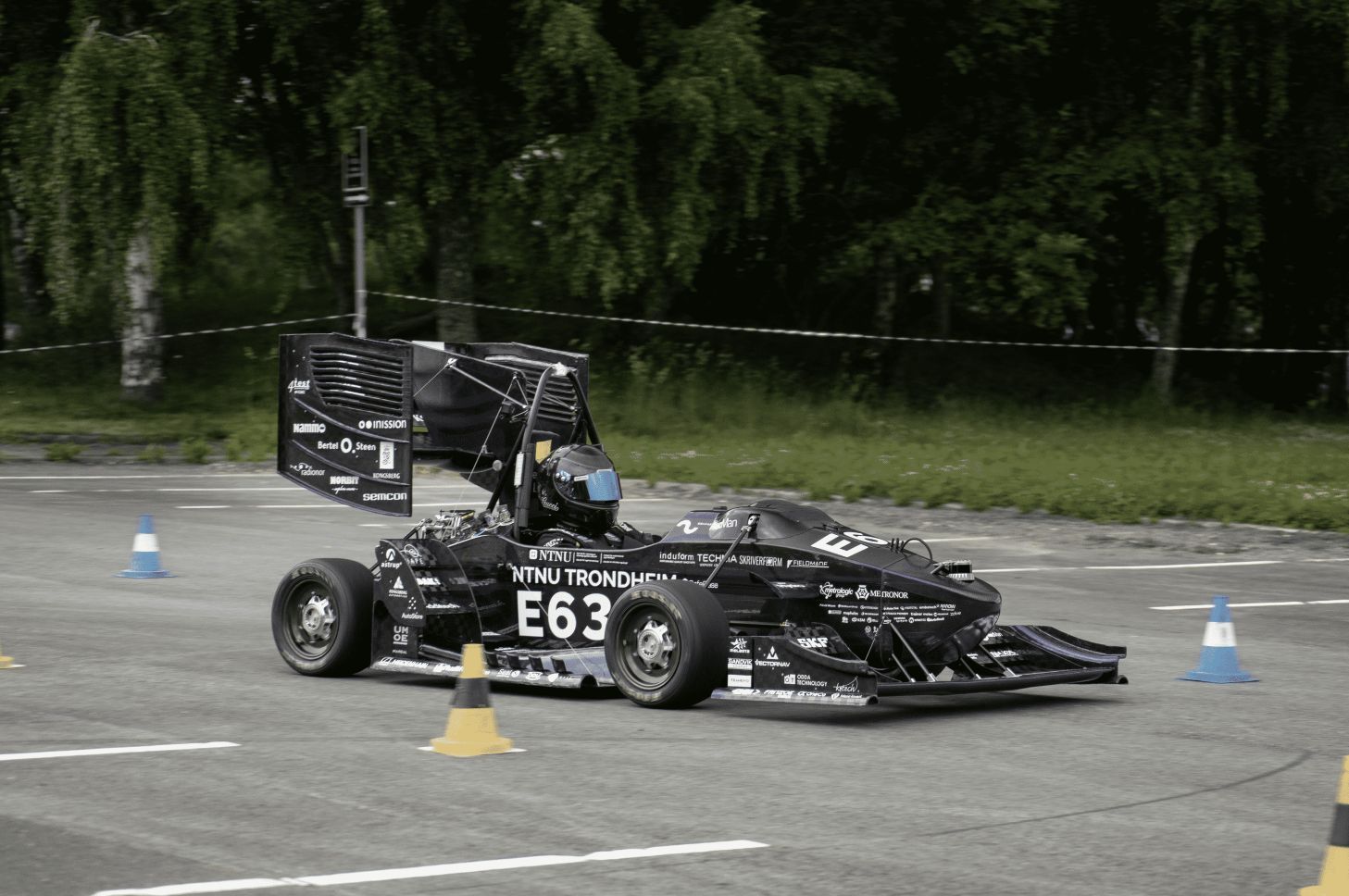
Motorsport · racing telemetry
Client: Revolve NTNU
In-car compute and telemetry cooling under racing load
Revolve NTNU is the formula-student team at the Norwegian University of Science and Technology, racing at the front of their category in driverless and electric classes. Their cars run substantial onboard compute and telemetry that has to hold under races where vibration, heat soak, and packaging are all working against the electronics.
Read the Revolve NTNU case → -
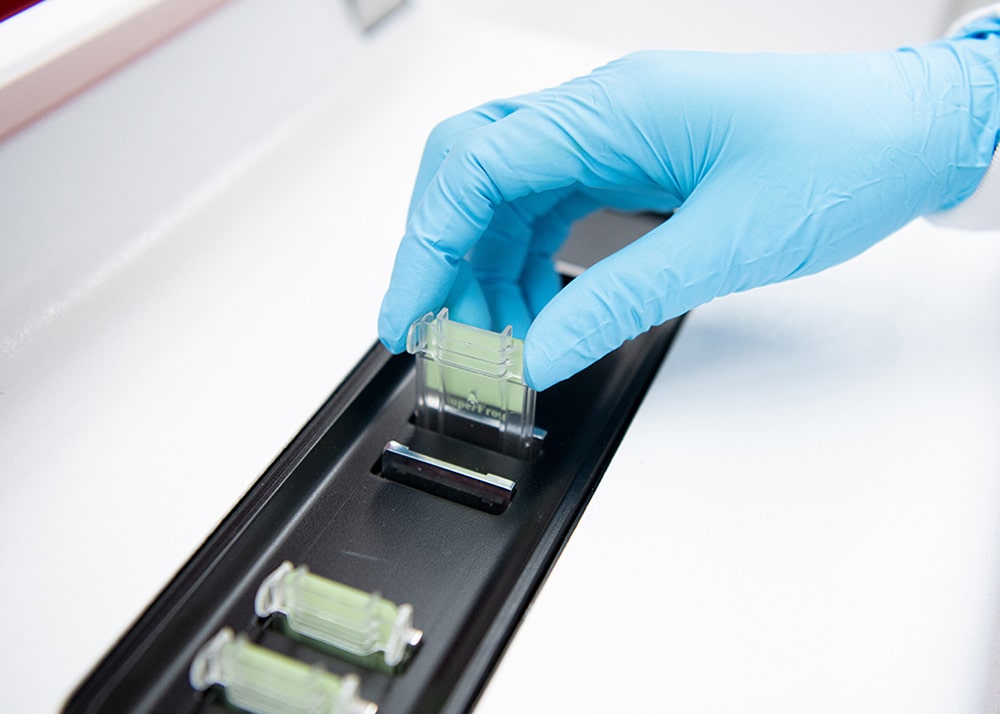
Laboratory · cytology instrument
Client: X-Zell
Sample-stage thermal control for a cytology platform
X-Zell builds laboratory instruments for cellular analysis. We developed custom cooling, including Peltier-driven water blocks. Inside those instruments, where the cooled element is the biological sample stage or the imaging chain, temperature stability matters more than raw capacity.
Read the X-Zell case →
Where the practice has shipped
Thermal engineering, across very different rooms.
The constant across these engagements is not the hardware, it is the discipline of designing thermal solutions against the deployment, not the data sheet. The applications themselves vary widely.
- Server hardware
- Edge AI · machine vision
- Motorsport · telemetry
- Laboratory instruments
- Defence · mobile platforms
- Research · national labs
- Industrial · process tooling
Modification projects
Start from an LM TEK server or workstation platform when your application needs a different enclosure, integration or thermal approach. Include the originating platform in the project brief.
Start a project brief →What a good engagement looks like.
A custom engineering engagement sits between the hardware engineering our catalogue products come out of and the system integrator practice that puts them into service. It is engineering as a supplier relationship, with the economics and expectations that come with that.
The first conversation is about fit. If the engagement is right for both sides, the scope follows quickly. If it is not, we will say so plainly and often point you somewhere that is a better match.
Good fit
- The standard hardware catalogue is close, but not quite right for your deployment envelope.
- You have a specific physical, thermal, or electrical constraint that rules out off-the-shelf.
- You need engineering to be the supplier, not a distributor.
Not a fit
- You need one-offs at volume-one pricing.
- You want us to source and badge someone else's design.
- The engagement is a purchasing exercise rather than a technical one.
How a bespoke engagement moves.
-
01
Fit call
A technical conversation. We understand the problem. You understand whether we are the right supplier.
-
02
Scope
Engineering scope document. Clear on what is in, what is out, and what the deliverable is.
-
03
Build
Design, prototype, iterate. You are in the loop; we do not disappear.
-
04
Deliver
Production units, manufacturing documentation, and the support relationship to match.
Tell us about your application
Technical details can be unknown or left blank. Start with the problem you need to solve.